


Sole shields are protective layers made of rubber or vinyl that adhere to shoe soles, preventing wear, abrasion, and discoloration while enhancing traction. Proper application requires clean, dry soles and precise alignment with pre-cut sizes, ensuring effective adhesive contact. These shields extend sole life up to 10 wears under light use and reduce the need for costly resoling, typically $50–75. They suit dress shoes to casual sneakers but vary in durability. Further details provide insights into maximizing their protective benefits.
Key Takeaways
- Sole shields provide a durable barrier that effectively prevents scratches, scuffs, and sole wear, extending shoe life up to 10 wears under light use.
- They slow oxidation and discoloration, particularly helping to preserve delicate or icy soles of designer shoes.
- Sole shields enhance traction on slippery surfaces, improving safety while maintaining the shoe’s original condition.
- Application requires careful cleaning and alignment for best adhesion, and they remove easily with gentle heat without damaging soles.
- They are cost-effective, reducing expensive resoling needs and maintaining resale value, though some users may face installation challenges or minor fit changes.
Understanding the Purpose of Sole Shields
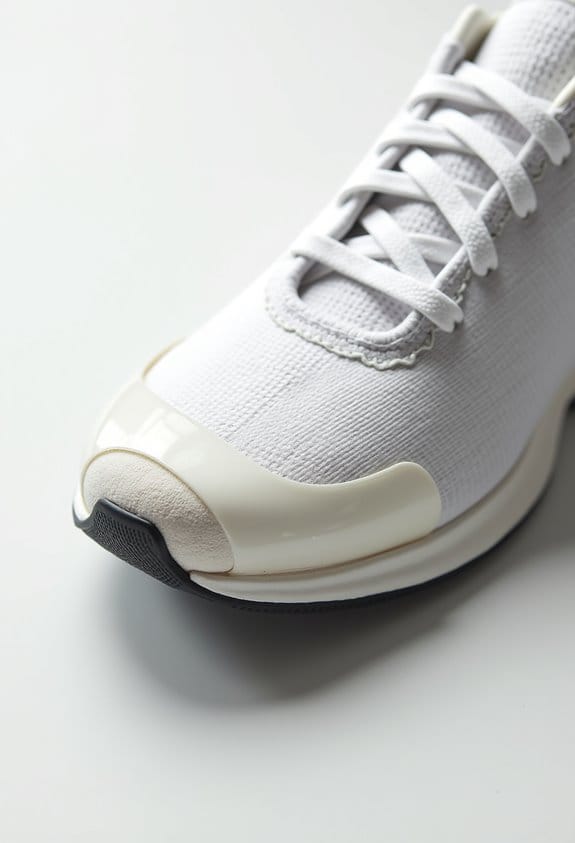
Although shoe soles are made to endure daily wear, applying Sole Shields is essential to prevent scratches, scuffs, and gradual degradation that substantially reduce their lifespan. Sole protectors serve as a durable barrier, shielding the sole’s surface from abrasive contact with rough environments, which typically cause wear and oxidation. When you properly clean and align these pre-cut protectors before application, adherence improves remarkably, ensuring effective protection—this is especially important for preserving designer footwear, such as Christian Louboutin’s delicate soles. Sole Shields typically last up to 10 wears under light use conditions and prevent discoloration by blocking oxidation, helping to protect your shoes’ original appearance. By reducing physical and environmental damage, sole protectors extend the functional life and maintain the aesthetic and resale value of valuable footwear. For optimal maintenance, storing shoes in a cool, dry place can complement sole protection by preventing additional damage from moisture and mold.
Evaluating the Benefits of Protecting Your Shoe Soles
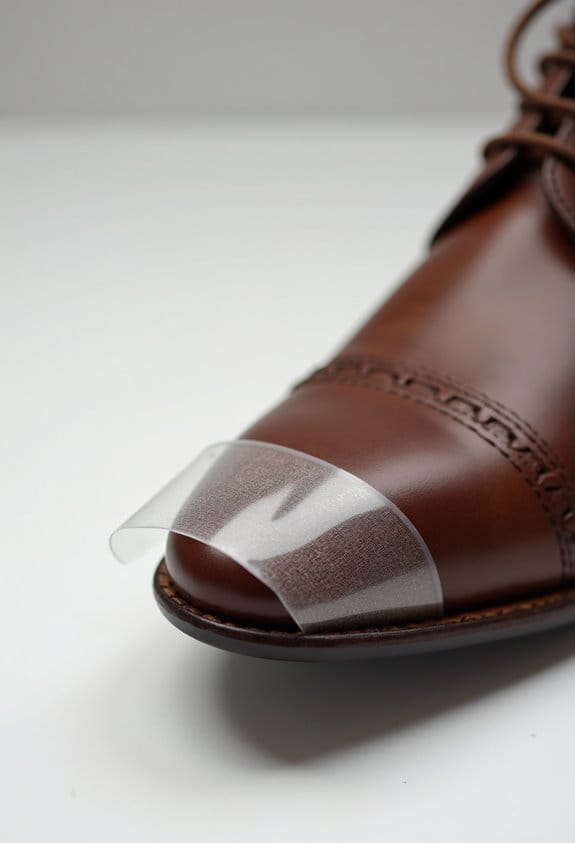
Protecting your shoe soles with devices like Sole Shields provides measurable advantages that extend beyond basic surface maintenance. Sole protectors act as a durable barrier against scratches, scuffs, and everyday wear, effectively preserving the sole’s original condition. These shields help maintain the resale value of shoes by keeping soles looking new, which is especially important for high-end footwear. With a lifespan of up to ten wears or approximately 1.5 years, Sole Shields reduce the frequency and cost of resoling services, which typically cost between $50 and $75. Additionally, the transparent design maintains the aesthetic of the sole while enhancing traction on smooth indoor surfaces. Sole Shields also slow oxidation, preventing discoloration and yellowing, particularly on icy soles often found in designer shoes. Incorporating durable materials similar to those used in 3D printed insoles can further improve the longevity and effectiveness of sole protection.
Application Techniques for Optimal Sole Shield Performance

When applying Sole Shields, it is vital to begin with meticulously cleaned and dried shoe soles, as this guarantees maximum adhesive contact and prevents premature peeling. Use pre-cut sole protectors tailored precisely to your shoe size, guaranteeing exact alignment for ideal protection against wear. Start peeling the backing from the heel, pressing the shield carefully onto the sole while smoothing out air bubbles to maintain full adhesion. Applying gentle heat with a hair dryer can assist in easier removal later, avoiding sticky residue and potential sole damage. Ascertain the transparent shields align with the shoe’s original color and texture to keep them discreet yet effectively protected with Sole Shields. Proper application results in soles better preserved against daily wear and extended shoe lifespan. Regularly checking for wear and tear ensures the shields remain effective and are replaced when necessary.
Compatibility of Sole Shields With Various Shoe Types

Following proper application techniques, it is important to recognize the compatibility of Sole Shields with varying shoe types to maximize protection and fit. Sole Shields are designed to fit a wide range of footwear, including dress shoes and casual sneakers, due to their transparent design that preserves the original look of leather soles and rubber bottoms. Their pre-cut sizes provide precise alignment with specific shoe models, facilitating accurate placement. However, Sole Shields are best suited for light use and everyday wear, as they protect adequately from minor scuffs and abrasions but are not recommended for high-impact activities or heavy strain typical of sports shoes. Shoes with leather soles benefit particularly from Sole Shields because they maintain aesthetics while offering discreet yet effective protection. When selecting protective additions like Sole Shields, considering the durability factors of the materials involved helps ensure optimal shoe care and longevity.
Longevity and Durability of Sole Protection Products
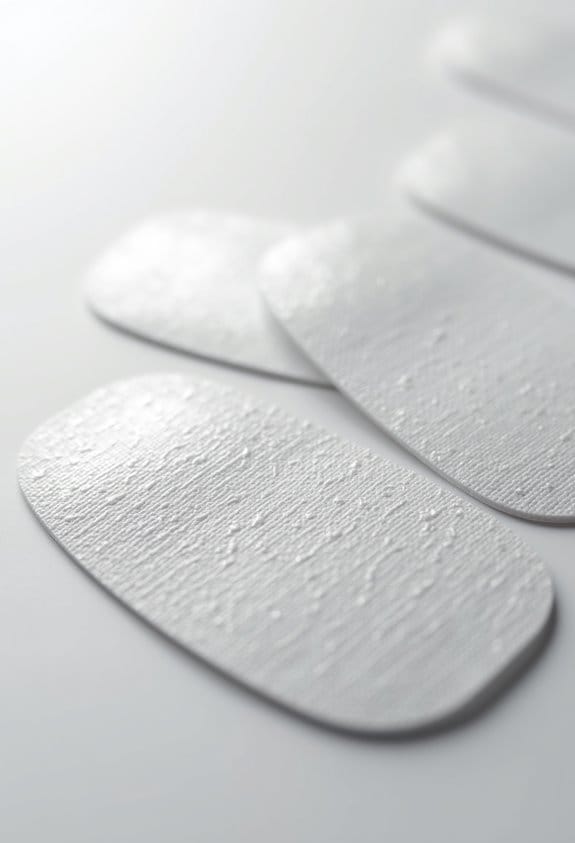
Sole protection products generally endure for up to 10 wears, depending on frequency of use and specific environmental factors such as surface abrasiveness and moisture exposure. When you wear your shoes in rough conditions, the soles face increased wear, reducing the protector’s lifespan. These products act as a protective barrier against scratches and scuffs, helping to maintain the structural integrity of the soles. Their transparent design guarantees the original appearance of the soles remains visible, while providing effective protection. Proper application and careful removal prevent damage to both the protectors and shoe soles, guaranteeing durability. Considering these factors, sole protectors offer a cost-effective option to extend the life of your shoes and reduce the need for more expensive resoling procedures. Regular replacement and maintenance of the pads ensure optimal performance and prolong their effectiveness.
Potential Drawbacks and Considerations Before Use
Although sole protectors provide a protective barrier, you must carefully evaluate their potential drawbacks, including aesthetic impacts and material compatibility issues. Some sole shields alter the shoe’s appearance, making the bottoms visible in certain positions, which may conflict with your style preferences. Additionally, improper installation can trap moisture beneath the protector, increasing the risk of material degradation and rotting inside the shoe. The need to maintain proper airflow is essential, as rubber protectors might restrict breathability, potentially reducing sole lifespan. Sole shields are not designed for high-impact activities or conditions involving icy soles, where traction and durability are critical. Before use, assess these factors rigorously to verify the protector suits your specific environment and usage, preserving both function and shoe integrity. It is also important to consider using breathable materials to help reduce moisture and odor buildup when selecting sole protection options.
Comparing Cost and Value in Sole Protection Choices
When evaluating the cost and value of sole protection options, you should consider the upfront application fees, which for sole protectors average around $25 compared to resoling services costing between $50 and $75. Sole protectors offer cost-effectiveness by extending a shoe’s lifespan through up to 10 wear cycles, reducing frequent damage and the need for costly resoling. Although resoling can extend a sole’s life to 3-4 years compared to an average 1.5-year lifespan for sole protectors, the lower initial expense of protectors makes them suitable for managing everyday wear. Additionally, sole protectors help maintain the shoe’s resale value, preventing rapid depreciation. Considering these factors allows you to make an informed choice about sole protection that balances durability, function, and budget. For enhanced comfort and durability, integrating heat moldable insoles can provide personalized support while protecting your shoes from wear.
Frequently Asked Questions
Do Sole Guards Work?
Sole guard effectiveness is demonstrated through their ability to extend shoe durability by preventing scratches and wear. Sole protection benefits include maintaining aesthetic appeal and reducing costly resoling, making them a practical solution for preserving footwear longevity.
What Are the Disadvantages of Sole Protectors?
Like a thin veil that betrays elegance, sole protectors often reveal adhesive issues and cause sole wear unevenly. They can trap moisture, reduce shoe breathability, and sometimes peel prematurely, undermining their protective promise.
What Are the Disadvantages of Shoe Covers?
Shoe covers often reduce shoe longevity by trapping moisture and causing material degradation. Additionally, their frequent replacement undermines cost effectiveness, making them less practical for long-term protection compared to more durable sole care solutions.
Does Waterproofing Your Shoes Actually Work?
Waterproofing shoes acts as a knight’s armor, shielding them from invading waters. Utilizing waterproof materials, it prolongs shoe maintenance by repelling moisture, though regular reapplication remains essential to sustain this protective enchantment’s strength and effectiveness.


