


To break in new Dr. Martens or stiff boots painlessly, start by wearing thick layered socks to cushion pressure points. Massage the leather daily using steady circular motions with 2-3 pounds of pressure, focusing on heels and toes to increase flexibility. Condition the leather with a pea-sized amount of Wonder Balsam to soften and prevent cracks. Stuff boots overnight with firm objects to gently stretch uppers, and apply heel grips to reduce friction. Further detailed steps enhance comfort and efficiency.
Key Takeaways
- Layer multiple thick socks to cushion feet and speed up leather molding to your foot shape.
- Massage leather daily using firm, circular motions on heels and toes to soften stiff areas.
- Apply Wonder Balsam regularly to condition leather, preventing stiffness and cracking for better flexibility.
- Stuff boots overnight with firm objects to gently stretch and expand the uppers for comfort.
- Use cushioned heel grips to support the heel, reduce slippage, and prevent blisters during break-in.
Start With Layering the Right Socks

When beginning to break in Dr. Martens, layering the right socks is essential for enhancing comfort. Wearing multiple pairs of socks, such as Double Doc Socks, provides extra cushioning at critical friction points including the heel, ankle, and arch. This added padding helps to minimize the chances of blisters and discomfort commonly experienced during the initial wear. It is advisable to choose thicker socks to maximize support and protection, reducing pressure from the stiff leather. Gradually introducing your new boots with layered socks allows the material to mold to your foot shape more efficiently while preventing prolonged irritation. Consistent use of appropriate sock layering expedites the break-in process, ensuring a more comfortable fit without the need for additional interventions or modifications. Additionally, pairing your boots with arch support insoles can further relieve foot stress and improve overall comfort during the break-in period.
Softening the Leather by Hand Massage
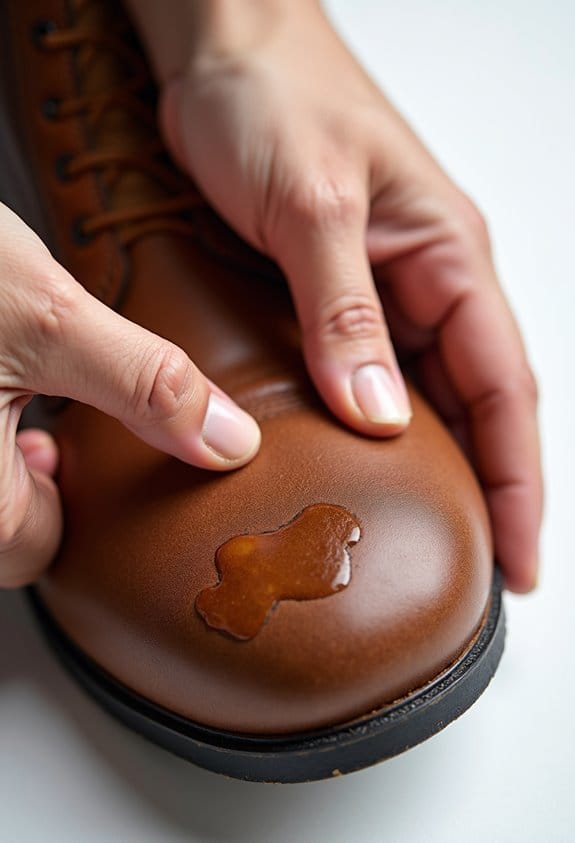
Apply consistent pressure by massaging the leather surface of your Dr. Martens using your hands to simulate the pressure your feet will apply during wear. This technique helps soften DM’s leathers by encouraging the material to become more flexible and mold to your foot’s shape. Concentrate on key friction points such as the heel, toe, and sides, where stiffness often causes discomfort or blisters. Employ steady, circular motions with moderate force, applying about 2 to 3 pounds of pressure to target specific areas effectively. Spending 10 to 15 minutes per section daily will accelerate the break-in process. This method complements wearing your boots by hand-softening the leather, reducing tension and increasing overall comfort before extended use. Regularly repeat this process for noticeable improvements in flexibility and fit. For proper care and to ensure longevity, consider the maintenance and cleaning techniques suitable for leather materials to preserve their softness.
Conditioning With Wonder Balsam

Wonder Balsam functions as a conditioning agent designed to nourish and soften Dr. Martens leather, specifically targeting stiffness in new boots. To apply, use a small amount—about a pea-sized drop—and gently massage it into the interior surfaces where the foot contacts the boot. This process enhances leather flexibility and comfort, accelerating the break-in period. Regular conditioning with Wonder Balsam prevents cracking by replenishing natural oils within the leather fibers, thereby extending the boot’s overall durability. Confirm even coverage by working the product into seams and creases, using circular motions. Allow the leather to absorb the balsam fully before wearing the boots. This method provides an effective, low-effort way to soften the leather gradually, assuring a more comfortable fit while preserving the material’s structural integrity during initial use. For best results, incorporate natural moisturizers to restore suppleness and shine while conditioning.
Stretch the Uppers Overnight

Following the conditioning process, you can further enhance leather flexibility by stretching the uppers of your Dr. Martens boots overnight. To do this, fill the boots with firm objects such as cans or rolled-up newspapers, ensuring they tightly press against the leather. Leave the boots stuffed for at least 8 hours while not in use to allow gradual expansion of the uppers. This method helps maintain the boots’ shape and eases pressure points created by stiffness. Regularly applying this stretching technique during the break-in period systematically softens and enlarges the leather, reducing discomfort caused by tight fit. Consistent stretching overnight promotes a more comfortable fit as the uppers conform better to the foot’s contours over time. Additionally, using durable laces made from tightly woven fibers can improve overall comfort and support during the break-in phase by reducing foot pressure and enhancing fit durability.
Use Heel Grips for Extra Comfort
Many wearers find that incorporating heel grips into their Dr. Martens considerably enhances comfort during the break-in phase. Heel grips are small, cushioned pads designed to fit at the back of the boot’s heel area, providing additional support and reducing internal slippage. You should position the heel grips carefully to guarantee they cover the upper heel region, typically measuring around 3 to 4 centimeters in width, allowing for ideal fit enhancement. By stabilizing your foot, heel grips minimize friction, which is a common cause of blisters and irritation, particularly in stiff boots. This adjustment reduces pressure points around the ankle and improves overall comfort, facilitating a smoother break-in process. Using heel grips is a straightforward, effective method to prevent discomfort during initial wear. Additionally, selecting grips made from high-elasticity polyurethane ensures optimal cushioning and durability throughout the break-in period.
Gradual Wearing for Best Results
For ideal results, you should begin by wearing your new Dr. Martens for short periods at home, engaging in gradual wearing sessions lasting approximately 30 minutes. This allows the leather to slowly soften and adapt to the contours of your feet, reducing potential discomfort. Incrementally increase wear time as your comfort improves, alternating with more comfortable shoes to prevent foot fatigue and allow recovery. Consistent use in varied environments helps soften the leather more effectively and promotes a better fit. Throughout the break-in process, regularly inspect the boots for pressure points or discomfort, and apply padding or softening techniques as necessary. Using foam heel grips can further reduce friction and prevent blisters during this adjustment period. Following this methodical approach minimizes the risk of blisters and guarantees a more efficient and comfortable adaptation period for your new boots.
Frequently Asked Questions
How to Make Dr Martens Less Painful?
To make Dr. Martens less painful, one should employ shoe stretching techniques, utilize boot comfort tips like heel grips and double socks, and apply leather conditioning methods such as massaging the leather and using nourishing balsams for improved flexibility.
How Do You Soften New Dr Martens?
Softening new Dr. Martens involves leather conditioning with mink oil and Wonder Balsam, followed by gentle massage. Boot care tips include avoiding overheating. Proper lacing techniques also help the leather conform to foot shape comfortably.
Is It Normal for Dr Martens to Hurt at First?
Pain from Dr. Martens at first is like a sculptor shaping stone. Breaking footwear myths reveals sizing and boot material differences often cause initial discomfort, especially with thick leather models requiring adaptation during the break-in process.
How Do You Break in Doc Marten Boots Fast?
Breaking in Doc Martens fast involves consistent wearing schedule, applying boot care tips like conditioning leather, and enhancing ankle support with grips or thick socks. Heating leather before treatment accelerates softening for quicker comfort and flexibility.


