


To clean knit shoes effectively, remove laces and insoles first, then use a mild detergent solution with one teaspoon detergent per cup of cool water. Gently scrub the fabric using a soft-bristled brush to avoid fraying, focusing on stained areas without soaking. Blot excess moisture with a microfiber cloth, stuff shoes with crumpled paper to maintain shape, and air dry away from heat or sunlight. Proper drying prevents fiber damage, preserving shoe integrity. Further details enhance maintenance and durability.
Key Takeaways
- Remove shoelaces and insoles before cleaning to protect them and maintain shoe shape.
- Use a mild detergent mixed with cool or lukewarm water for a gentle cleaning solution.
- Gently brush knit fabric with a soft shoe brush soaked in the cleaning solution to avoid fraying.
- Avoid machine washing; opt for hand washing and targeted spot cleaning to preserve fabric integrity.
- Air dry shoes stuffed with newspaper in a ventilated space, avoiding direct heat or sunlight exposure.
Understanding Knit Fabric in Shoes
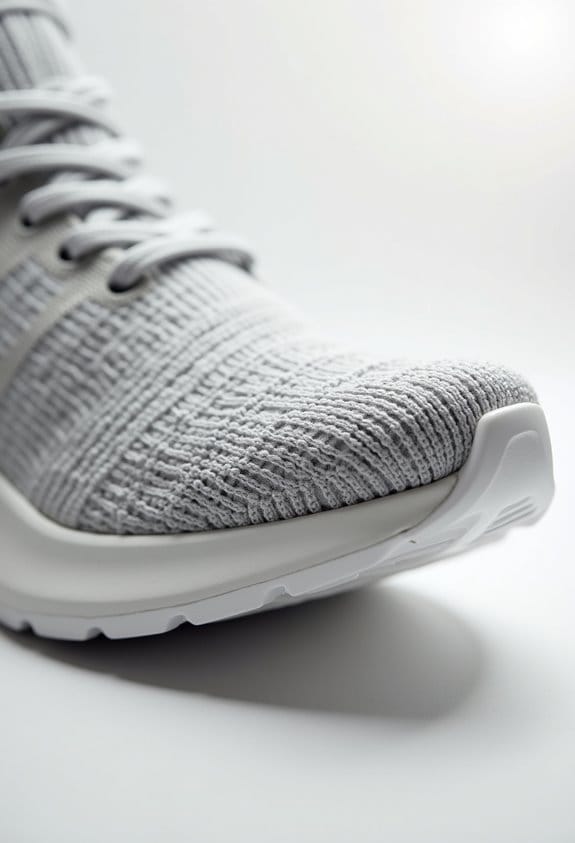
Because knit fabrics used in shoes incorporate multiple materials woven into intricate patterns, you must understand their composition to choose the correct cleaning method. Knit fabrics combine durable, elastic fibers that provide a sock-like fit while maintaining breathability through their porous mesh structure. This porous nature allows moisture and stains to penetrate easily, so timely cleaning is essential to prevent permanent damage. Different knit patterns feature varying degrees of sensitivity to abrasion; thus, always employ a soft brush when cleaning to avoid fraying or weakening delicate materials. White knit shoes, for example, may discolor but can be restored gently without harsh chemicals. Recognizing these fabric characteristics enables you to select appropriate cleaning techniques and tools that maintain the shoe’s integrity and appearance over time. Additionally, incorporating insoles with breathable materials can help keep feet dry and reduce moisture buildup in knit shoes.
Essential Cleaning Materials for Knit Shoes

Selecting appropriate cleaning materials is essential for preserving the structural integrity of knit shoes during maintenance. Begin by choosing a mild detergent, free from harsh chemicals, to protect the delicate fabric. Prepare a cleaning solution by mixing the detergent with cool or lukewarm water in a small bowl or bucket; avoid hot water to prevent fabric damage. Use a shoe brush with firm bristles to gently scrub dirt, combined with a soft microfiber cloth to apply the cleaning solution effectively. Incorporate baking soda by creating a paste with water when whitening or deodorizing is necessary; use it carefully to avoid abrasion. Collecting these materials guarantees you clean your knit shoes thoroughly without compromising their texture or form. For thorough dirt application and removal, consider using a microfiber towel and bowl included in comprehensive shoe cleaning kits.
Preparing Knit Shoes for Cleaning

Before beginning the cleaning process, remove the shoelaces and insoles to prevent damage and allow access to all areas of the knit shoe. When cleaning a pair of knit shoes, gather necessary materials like a soft brush designed for delicate fabrics. Avoid machine washing, as hand washing is the preferred technique, guaranteeing fabric integrity. Prepare the shoes by stuffing them with crumpled newspaper or a shoe tree to maintain shape during the gentle cycle of cleaning. Use the soft brush to loosen surface dirt carefully before immersing the shoes in a mild detergent solution for hand washing. Removing the shoelaces first guarantees thorough cleaning and prevents tangling or damage to these detachable parts. This preparation essential supports effective, safe maintenance of your knit shoes. For cleaning knit shoes, consider using a foam cleaner designed for delicate materials to gently lift dirt without harsh scrubbing.
Crafting a Gentle Cleaning Solution

When crafting a gentle cleaning solution for knit shoes, mix one teaspoon of mild laundry detergent or soap with cool or lukewarm water to protect the fibers and color integrity. Avoid hot water, as it can cause dye alteration and fading over time. Use non-abrasive materials in the solution to prevent damage to the delicate knit fabric. Submerge a soft brush in the mixture thoroughly, ensuring it is well coated for targeted cleaning without soaking the shoe directly. This preparation aids effective washing, especially when machine wash is unsuitable due to fabric fragility. For white knit shoes, add baking soda to form a paste for localized whitening before rinsing. Following these guidelines supports safe sneaker care and maintains fabric quality for repeated cleaning cycles. Additionally, using pH-balanced formulas in your cleaning solution helps avoid damage and preserves the fabric’s integrity.
Step-by-Step Knit Shoe Cleaning Process

Although preparing the cleaning solution is essential, the initial step in the process involves removing shoelaces and insoles, as these components require separate handling to prevent damage during cleaning. Next, create a gentle solution by mixing one teaspoon of mild laundry detergent with one cup of cool water. Then, use a soft brush to remove dirt and stains from the knit surface, always brushing in the direction of the knit pattern to avoid fraying. Avoid placing clean knit sneakers in the washing machine, as agitation risks damage. After brushing, wipe away excess moisture using a clean cloth. Finally, reshape your sneakers and allow them to air dry completely in a well-ventilated area, steering clear of direct heat or sunlight to preserve material integrity. For best results, consider using a pH-balanced cleaner formulated with gentle surfactants to maintain your knit shoes’ longevity.
Effective Drying and Shape Maintenance
Following the cleaning process, managing the drying and shape retention of knit shoes is an essential step to confirm durability and proper fit. Begin by blotting excess water from the knit surface with a microfiber cloth to accelerate drying and prevent water stains. Next, stuff the shoes with crumpled newspaper or washcloths to absorb moisture and maintain shape effectively. Always air dry the shoes in a well-ventilated area, avoiding direct sunlight or heat sources that can cause fabric degradation or discoloration. Regularly check the shoes during drying and reshape them gently to prevent distortion, creases, or misshaping. Avoid using dryers or heated equipment, as these can damage delicate knit fibers and compromise the shoe’s structural integrity. This method confirms the shoes dry safely while preserving their original fit and design. For faster and safer drying, consider using a portable shoe dryer designed with temperature control to prevent damage to delicate materials.
Tips for Prolonging the Life of Knit Sneakers
To extend the lifespan of your knit sneakers, regular maintenance is essential, including consistent cleaning with a mild detergent and a soft brush to remove embedded dirt and prevent fiber degradation. When maintaining Nike Flyknit or similar clean mesh materials, it is important to regularly clean them to preserve their structural integrity. Use a soft brush to gently scrub the fabric with mild detergent diluted in cool water, avoiding abrasive movements that can damage delicate fibers. Store your sneakers in a cool, dry area away from direct sunlight or heat sources that might warp the knit. Additionally, applying a fabric protector can help shield against stains and moisture. Rotating your knit sneakers with other footwear allows them to air out, reducing buildup of sweat and odors while minimizing premature wear. Regular cleaning and inspection, similar to how golf shoe spikes require maintenance to ensure optimal performance, helps maintain the quality and durability of knit shoes cleaning and maintenance.
Frequently Asked Questions
How to Clean Knit Fabric Shoes?
Knit shoe maintenance requires gentle cleaning techniques, using mild detergent and soft brushes for fabric care. For stain removal, carefully scrub and rinse; follow washing instructions by removing laces, avoiding hot water, and air drying properly to preserve shape.
How to Clean Delicate Fabric Shoes?
Delicate fabric shoes require fabric care through gentle detergents and precise cleaning methods. Removing laces aids shoes maintenance, while textile preservation involves soft scrubbing and air drying to avoid damage, ensuring longevity and color retention.
Is Dawn Dish Soap Good for Cleaning Shoes?
Although some doubt its gentleness, Dawn’s effectiveness stems from dish soap benefits, offering a safe, mild option for delicate shoe material compatibility. It surpasses harsher cleaning alternatives, aligning with detergent recommendations for fabric preservation.
Is Flyknit Hard to Clean?
Flyknit is moderately challenging to clean due to its delicate durability. Effective cleaning products, gentle stain removal methods, proper maintenance tips, and careful drying techniques are essential to preserve its structure and extend the shoes’ lifespan.


